
Understanding the Canadian Tax System: A Beginner’s Guide
For many newcomers, students, temporary workers, and even Canadian citizens, understanding the Canadian tax system can feel confusing at first. Terms like tax brackets, deductions, GST, and tax credits may seem overwhelming, especially if you are filing taxes for the first time.
Once you understand a few core concepts, the rest starts to make a lot more sense.
This beginner-friendly guide explains everything you need to know about understanding the Canadian tax system, including how taxes work, who needs to file, important deadlines, tax credits, and how to avoid common mistakes.
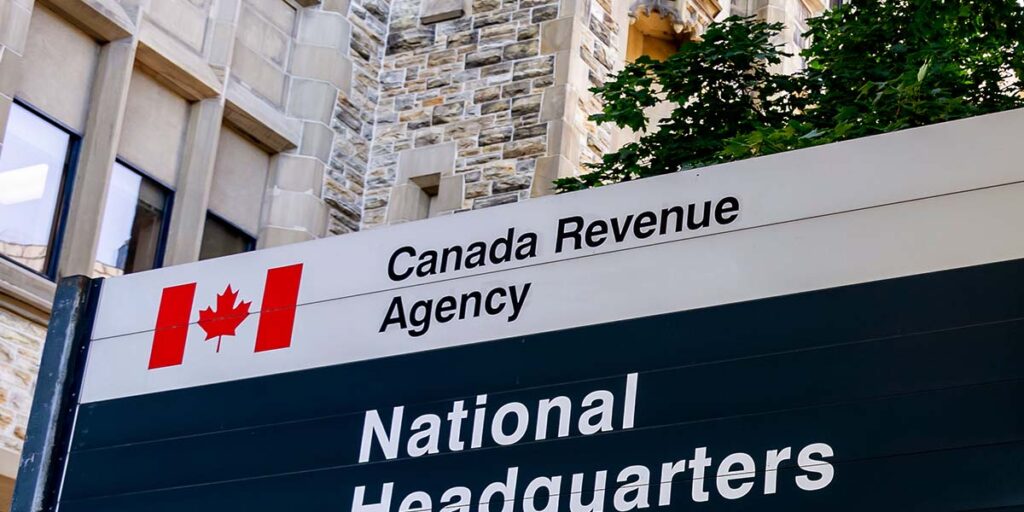
According to the Canada Revenue Agency (CRA), filing taxes is important not only for paying taxes but also for receiving refunds and government benefits.
READ MORE:
- How Car Loan Payments Are Calculated in Canada (With Real Examples)
- Best Ways to Send Money from Canada: A Comprehensive 2026 Guide
- How to Start Investing in Canada (Basics for Beginners)
What Is the Canadian Tax System?
At its core, the Canadian tax system is based on a self-assessment model. This means individuals are responsible for:
- Reporting their income
- Calculating taxes owed
- Filing an annual tax return with the Canada Revenue Agency (CRA)
The government uses tax revenue to fund important public services such as:
- Healthcare
- Education
- Roads and transportation
- Employment Insurance (EI)
- Public pensions
- Social programs
When understanding the Canadian tax system, it is important to know that taxes are collected at three levels:
- Federal taxes
- Provincial or territorial taxes
- Sales taxes
Each province and territory may have different tax rates and rules.
How Income Tax Works in Canada
Income tax is one of the most important parts of the Canadian tax system.
Canada uses a progressive tax system, which means people with higher incomes pay higher tax rates.
However, many beginners misunderstand how tax brackets work.
You do not pay one single tax rate on all your income. Instead, different portions of your income are taxed at different rates.
For example:
- The first portion of income may be taxed at 14%
- The next portion at 20.5%
- Higher income levels at even higher rates
This means your overall or “effective” tax rate is usually lower than your highest tax bracket.
Understanding how brackets work is one of the most useful things you can learn early on.
Federal and Provincial Taxes in Canada
Canada has both federal and provincial income taxes.
Federal Income Tax
The federal government collects taxes through the CRA. These taxes help fund national services and programs across Canada.
Provincial and Territorial Taxes
Each province and territory also charges income tax separately.
Tax rates differ depending on where you live. Provinces such as:
- Ontario
- Alberta
- British Columbia
- Quebec
all have different tax structures and tax credits.
Quebec is unique because it operates its own provincial tax system separately from the CRA.
Sales Taxes in Canada
Sales tax is another piece worth knowing, since it applies to most things you buy day to day.
Sales taxes are added to most goods and services purchased in Canada.
There are three main types of sales taxes:
GST (Goods and Services Tax)
The GST is a federal tax currently set at 5%.
PST (Provincial Sales Tax)
Some provinces charge a separate provincial sales tax.
HST (Harmonized Sales Tax)
Certain provinces combine federal and provincial taxes into a single HST payment.
Depending on the province, total sales tax rates can range from 5% to 15%.
What Newcomers Need to Know About Filing Taxes
Newcomers to Canada often have additional tax responsibilities and questions.
Once you become a resident for tax purposes, you are generally required to file a Canadian tax return every year.
Important First Steps for Newcomers
1. Apply for a Social Insurance Number (SIN)
Your SIN is required to:
- Work in Canada
- File taxes
- Access government benefits
2. Open a Canadian Bank Account
Most tax refunds and government payments are sent through direct deposit.
3. Understand Your Residency Status
Your tax obligations depend on whether you are considered:
- A resident
- A part-year resident
- A non-resident for tax purposes
This status affects how much tax you pay and which benefits you qualify for. Residency rules can get complicated depending on your situation, so if you’re unsure, the CRA or a tax professional can help you confirm your status.
Important Tax Deadlines in Canada
One of the most important things to get right is knowing when your taxes are due.
General Tax Filing Deadline
For most individuals, the tax filing deadline is:
April 30
Self-Employed Individuals
Self-employed individuals usually have until:
June 15
to file their tax returns.
However, any taxes owed must still be paid by April 30 to avoid penalties and interest.
Missing tax deadlines can result in:
- Late filing penalties
- Interest charges
- Delays in receiving refunds or benefits
Tax Deductions and Credits in Canada
Tax deductions and credits can reduce the amount of tax you owe.
Learning how they work is an important part of understanding the Canadian tax system.
What Are Tax Deductions?
Tax deductions reduce your taxable income.
Common deductions include:
- RRSP contributions
- Childcare expenses
- Moving expenses
- Union dues
- Business expenses
What Are Tax Credits?
Tax credits directly reduce the taxes you owe.
Examples include:
- Basic Personal Amount
- Tuition tax credits
- Medical expense credits
- Canada caregiver credit
Using available deductions and credits can significantly lower your tax bill.
Government Benefits Available Through Tax Filing
Many Canadians are surprised to learn that filing taxes may actually help them receive money from the government.
Benefits and credits may include:
- GST/HST credit
- Provincial and territorial benefit programs
- Working income support credits, depending on eligibility
Even individuals with low or no income are encouraged to file taxes to remain eligible for these programs.
How to File Taxes in Canada
There are several ways to file taxes in Canada.
1. File Online
Most Canadians use certified online tax software because it is:
- Fast
- Secure
- Convenient
Electronic filing also speeds up tax refunds.
2. File a Paper Return
Paper tax returns are still accepted by the CRA.
3. Hire a Tax Professional
Some people choose accountants or tax preparers for professional assistance.
4. Use Free Tax Clinics
Community organizations across Canada offer free tax clinics for eligible individuals with modest incomes.
Important Tax Documents You Should Know
It also helps to recognize a few common tax forms and documents you’ll come across.
T4 Slip
A T4 shows:
- Employment income earned
- Taxes already deducted by your employer
T5 Slip
A T5 reports investment income, such as interest earned from a bank account.
Notice of Assessment (NOA)
After processing your return, the CRA sends a Notice of Assessment.
This document confirms:
- Your refund or balance owing
- RRSP contribution room
- Tax assessment details
Always review your Notice of Assessment carefully for errors.
Simple Tips for Understanding the Canadian Tax System
Here are practical tips to make tax season easier:
- Keep all tax documents organized
- Save receipts throughout the year
- File taxes before the deadline
- Use CRA-certified software
- Set up direct deposit
- Learn which tax credits apply to you
- Review CRA notices carefully
Building good tax habits early can save time, money, and stress later.
Final Thoughts on Understanding the Canadian Tax System
At first, understanding the Canadian tax system may seem complicated, especially for newcomers and first-time tax filers. However, learning the basics of taxes, deductions, credits, and filing deadlines can make managing your finances much easier.
Need more help understanding life, money, and taxes in Canada?
Explore more newcomer-friendly guides on Loonie Guide and stay informed about taxes, immigration, jobs, benefits, and everyday living in Canada.
Frequently Asked Questions on Understanding the Canadian Tax System
1. Do I need to file taxes if I had no income in Canada?
Yes. Filing taxes helps you stay eligible for government benefits and tax credits, even if you earned little or no income.
2. What happens if I file taxes late in Canada?
You may face penalties and interest charges, especially if you owe taxes.
3. Is the Canadian tax system the same in every province?
No. Provincial tax rates and credits vary across Canada.
4. Can newcomers receive tax refunds in Canada?
Yes. Many newcomers qualify for refunds and benefit payments after filing taxes.
5. What is the easiest way to file taxes in Canada?
Most people find certified online tax software to be the fastest and easiest option.



Paying Down Debt vs Investing in Canada: What Comes First?
Learn how interest rates, TFSA and RRSP benefits, risk, and debt costs can influence paying down debt vs investing in Canada.

How Car Loan Payments in Canada Are Calculated (2026 Guide)
Understanding borrowing costs starts with knowing how interest, loan terms, and payments affect your budget.

Ways to improve cashflow in Canada for small businesses
Learn practical ways to improve cashflow in Canada using smarter invoicing, inventory management, tax strategies, and forecasting.